A Designer's Guide to the Graphic Vector Map of United States
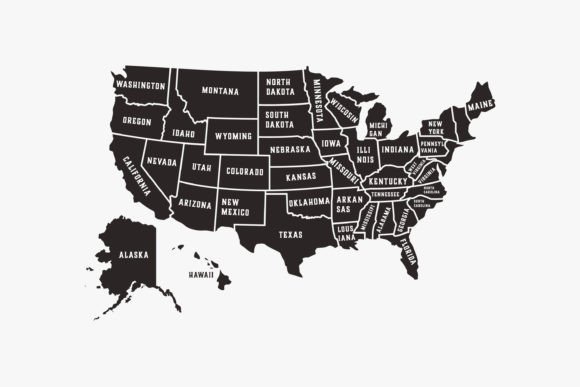
There's a moment in many projects where you need a map that doesn't just show geography but tells a story. A flat, generic outline often falls short. The Graphic Vector Map of United States steps into that gap, offering a versatile visual foundation that balances clarity with character. It's not merely an illustration; it's a flexible design asset built for real-world application across countless mediums.
Beyond the Basic Outline: Style and Substance
At its core, this asset presents a clean, recognizable depiction of the country. Its visual personality leans towards modern typography sensibilities—think confident lines, thoughtful negative space, and a structure that feels both contemporary and timeless. The appeal lies in its neutrality; it doesn't shout for attention but provides a stable, professional canvas. This makes it an exceptional piece of design assets for projects where the map itself supports the message rather than overwhelming it. The lines are crisp, the state divisions are clear, and the overall form maintains integrity whether viewed on a business card or a billboard.
Where This Map Truly Shines: Practical Applications
The true value of any creative font or graphic is measured by its utility. This map excels in scenarios demanding both professionalism and adaptability. Consider its use in brand identity materials for a national logistics company, where it conveys scale and reliability. In editorial design, it can anchor a magazine feature on regional trends, providing a clean visual break that organizes information. For web design, it serves as an interactive foundation—imagine clickable states in an infographic or a subtle background element for a corporate site.
Its strengths extend further. Marketers can integrate it into social media graphics to highlight service areas or event locations. Packaging design for a "Made in the USA" product gains instant context and authenticity. For entrepreneurs and small business owners, it's a tool for creating professional-looking presentations, sales materials, and local advertising without needing a custom illustration budget. The map's inherent flexibility makes it a go-to for both digital and print projects, from PDF reports and email headers to posters and trade show displays.
Maximizing Impact: Pairing and Integration
A great visual asset works best in harmony with other elements. When integrating this map, think of it as you would a strong sans serif font—a reliable workhorse that pairs well with others. For a clean, corporate feel, combine it with a classic serif font for body text. If the project calls for energy, a bold display font for headlines can create dynamic contrast. The key is maintaining a clear visual hierarchy: let the map provide spatial context while typography delivers the detailed message.
This approach directly influences brand perception. A well-executed map integrated with consistent typography and color schemes reinforces professionalism and attention to detail. It aids in audience engagement by making geographic information instantly digestible. For content creators and bloggers, it can transform a simple list of locations into a compelling visual narrative, improving readability and retention.
A Practical Toolkit: File Formats and Licensing
Understanding what's included is crucial for seamless workflow. This package provides the map in six essential formats: AI, EPS 10, PDF, SVG, a PNG with a transparent background (specifically without embedded text), and a JPG preview file. This variety covers virtually any software requirement, from Adobe Illustrator (AI, EPS) for deep editing to SVG for web animation and PDF for print-ready documents. The PNG file is particularly useful for quick drag-and-drop placement in presentations or graphic design software where vector editing isn't possible.
A critical note for commercial use: the provided text elements are non-editable. This is a common consideration with premium font and graphic assets. Always review the licensing to ensure it aligns with your project's scope, especially for large-scale commercial distribution. For most standard uses—from marketing collateral to digital content—this asset is designed to be a powerful, ready-to-use component in your creative toolkit, saving time while elevating the quality of your final output.