Matcha Latte: The Handwritten Font That Feels Like a Warm Hug
The Irresistible Charm of a Handwritten Typeface
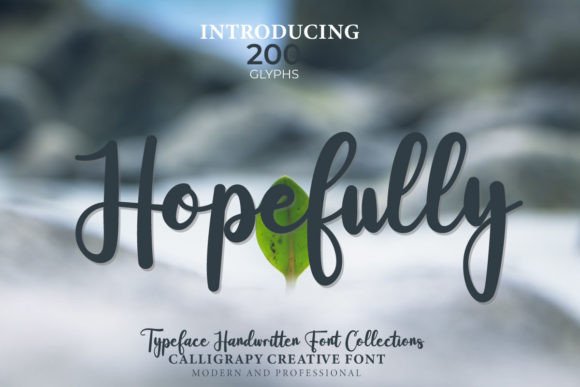
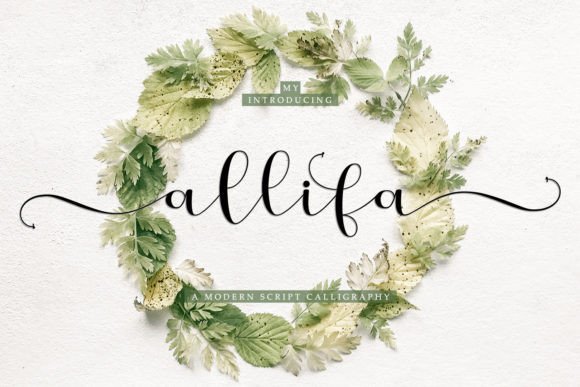
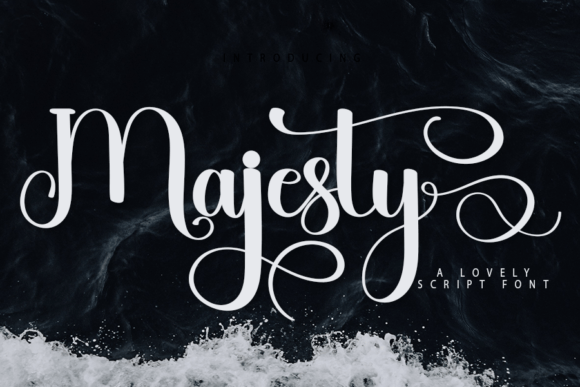
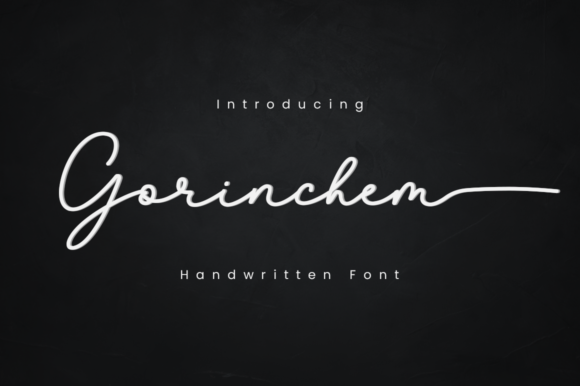
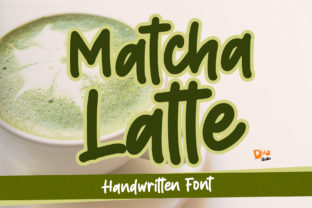
There's something immediately inviting about Matcha Latte. It doesn't just sit on a page—it reaches out with the warmth of a handwritten note from a friend. This stunning handwritten font is a stylish homage to classic calligraphy, but it avoids feeling stiff or overly formal. Instead, it strikes a beautiful balance between elegance and approachability. Its visual characteristics are what make it so special: a varying baseline that mimics natural hand movement, smooth lines that flow effortlessly, and gorgeous glyphs with stunning alternates. This isn't a font that tries to be perfect; it embraces the authentic, slightly imperfect feel of real handwriting. The result is a typeface with genuine personality—one that feels equally charming and friendly, making any project it graces feel more personal and human.
Where Matcha Latte Truly Shines: Real-World Applications
Understanding a font's personality is one thing, but knowing where to deploy it is where the real design work happens. Matcha Latte isn't a workhorse body text font; it's a creative font designed for impact and emotion. Its strengths lie in applications where you want to evoke a sense of warmth, authenticity, and artisanal quality. Think of it as a design asset for creating moments of connection.
In brand identity, it can be a game-changer for businesses that want to feel personal and approachable. A bakery, a boutique florist, a local coffee roaster, or a lifestyle coach could use Matcha Latte for their logo design to instantly communicate a friendly, handcrafted ethos. It tells customers, "A real person is behind this." For packaging design, it adds a premium, artisanal touch to product labels, gift tags, and box graphics, making items feel more special and considered.
The world of editorial design and publishing also benefits immensely. Use it for chapter headings in a cookbook, pull quotes in a lifestyle magazine, or the title on a beautiful stationary art print. It draws the reader's eye and adds a layer of visual interest that standard serif or sans serif fonts can't match. In the digital realm, Matcha Latte excels in social media graphics. It creates eye-catching Instagram story quotes, Pinterest pin titles, and Facebook post headers that stop the scroll. Its handwritten feel cuts through the noise of overly polished, corporate-looking content.
Of course, its roots are in personal projects. It's the perfect choice for creating gorgeous wedding invitations that set a romantic and personal tone. It transforms simple cute greeting cards into keepsakes and makes event signage feel bespoke. The key is to use it for display purposes—headlines, logos, short phrases—where its detailed character can be appreciated without sacrificing readability.
Making It Work: Practical Guidance for Designers and Creators
Choosing a font like Matcha Latte is just the first step. Using it effectively requires a bit of strategy to ensure it enhances rather than hinders your project. Here’s how to think about it from a practical standpoint.
Evaluating Project Fit and Font Pairing
Before you commit, ask: Does the personality of Matcha Latte align with my project's goals? It's ideal for brands and projects that value warmth, creativity, and a personal touch. It might not be the best fit for a law firm's annual report or a tech startup's sleek, minimalist interface. Once you've confirmed the fit, the next critical step is font pairing. A handwritten font like this needs a clean, stable partner. Pair it with a simple, legible serif font for a classic, elegant look, or a neutral sans serif font for a more modern, balanced contrast. Use Matcha Latte for the hero text and its partner for body copy or supporting information. This creates clear visual hierarchy and ensures your message is both beautiful and readable.
Exploring Styles and Readability
A quality premium font often comes with more than just the basic letters. Take time to review the included styles and alternates. The stunning alternates in Matcha Latte are a treasure trove for designers. They allow you to customize the look by swapping out specific letters, preventing repetition and making your text feel even more authentically handwritten. However, with any script font or handwritten font, readability is paramount. Avoid using it for long paragraphs or small body text. Its varying baseline and connected letters, while beautiful, can become tiring to read in large blocks. Always test your text at the intended size. For web design, ensure it's used for large headlines or decorative elements, not for navigation or critical instructions. For social media graphics, make sure the text is large enough to be legible on a mobile screen.
Licensing and Professional Use
Finally, if you're using Matcha Latte for a business, client work, or any commercial project, you must pay attention to the commercial font licensing. A reputable foundry will clearly outline what is and isn't permitted. Using a font correctly isn't just about legal compliance; it's a mark of professionalism. It shows respect for the craft of the type designer and ensures your brand identity is built on a solid, legal foundation. This attention to detail is part of what separates a hobbyist from a professional creator.
In the end, Matcha Latte is more than just a collection of glyphs. It's a tool for storytelling. Its authentic feel, when used thoughtfully, can elevate a design from merely functional to genuinely memorable, helping you build a stronger connection with your audience, one beautifully crafted word at a time.